Decks
Composite vs. Wood Decks: Which is Best for Atlanta?
Compare composite decking against traditional wood decks. Learn about costs, maintenance, and longevity.
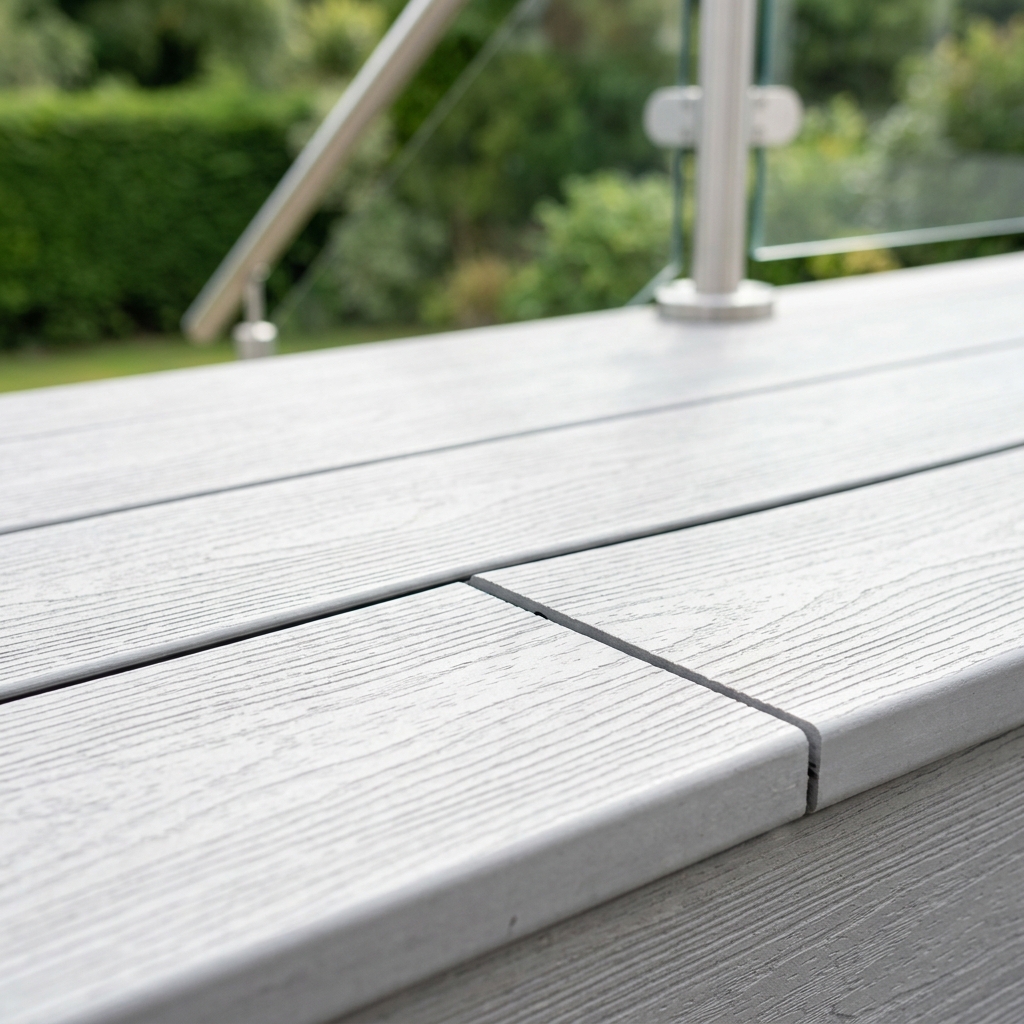
The Great Decking Debate: Finding the Right Fit for Your Atlanta Home
When building a new outdoor living space in Metro Atlanta, the single most important decision you will make is choosing your decking material. For decades, traditional pressure-treated pine and cedar were the undisputed kings of the backyard. However, rapid advancements in manufacturing have pushed composite decking (like Trex and TimberTech) to the forefront. But which is truly best for your home, your lifestyle, and your budget?
In this comprehensive guide, we will break down the true costs, maintenance requirements, aesthetic differences, and environmental impacts of composite versus wood decks.
1. Wood Decks: The Traditional Choice
Wood provides a classic, timeless aesthetic that many homeowners love. In Georgia, the most common choices are pressure-treated Southern Yellow Pine and Western Red Cedar. While wood has the undeniable appeal of being a natural product, it comes with specific challenges in our hot, humid climate.
Pros of Wood Decking
- Lower Initial Investment: Pressure-treated wood is significantly cheaper to install upfront compared to premium composites.
- Natural Beauty: Nothing exactly mimics the authentic smell, feel, and grain of real wood.
- Customizable Colors: You can sand and stain or paint a wood deck in any color you choose, allowing you to update the look over time.
Cons of Wood Decking
- High Maintenance: To prevent rot and decay in Atlanta's humidity, wood decks require annual power washing and restaining every 2-3 years.
- Prone to Damage: Wood will eventually crack, splinter, and warp due to moisture and UV exposure.
- Shorter Lifespan: A standard pressure-treated deck usually lasts 10 to 15 years before requiring significant board replacement.
2. Composite Decks: The Low-Maintenance Modern Standard
Composite decking is engineered from a blend of recycled wood fibers and recycled plastics (often polyethylene). Premium brands use a "capped" technology, wrapping the composite core in a hard polymer shell for maximum protection against the elements.
Pros of Composite Decking
- Ultra-Low Maintenance: You never have to sand, stain, or seal a composite deck. A simple wash with soap and water twice a year is all it takes.
- Extreme Durability: Composite boards are impervious to rot, wood-destroying insects (like termites), and severe warping. They are also entirely splinter-free, making them safe for bare feet and pets.
- Long Warranties: Brands like Trex and TimberTech offer 25-year to 50-year fade and stain warranties.
- Eco-Friendly: Made from up to 95% recycled materials, saving millions of pounds of plastic from landfills annually.
Cons of Composite Decking
- Higher Upfront Cost: The materials are more expensive, making the initial installation cost higher than wood.
- Heat Retention: Older generations of composite could get very hot in direct sunlight. However, modern lines (like TimberTech Advanced PVC) are engineered to stay up to 30 degrees cooler than standard composites.
3. The 10-Year Total Cost of Ownership (TCO)
While wood is cheaper on day one, the math changes dramatically when you factor in maintenance. Let's look at the estimated 10-year total cost of ownership for a standard 400-square-foot deck.
| Expense Category | Pressure-Treated Wood | Capped Composite |
|---|---|---|
| Initial Installation | Lower ($$) | Higher ($$$) |
| Annual Cleaning | Power washing required | Basic soap and water |
| Staining/Sealing (10 Yrs) | 3-4 applications ($3,000+) | $0 |
| 10-Year TCO | Matches or Exceeds Composite | Lower Long-Term Cost |
Frequently Asked Questions
Does composite decking get too hot for bare feet in Atlanta?
All decks get hot in direct Atlanta summer sunlight. Darker colors absorb more heat. However, modern PVC options like TimberTech AZEK are engineered for better heat dissipation and remain noticeably cooler than traditional dark wood or early-generation composites.
Can you paint or stain a composite deck?
No. Composite decks are manufactured with color built into the protective cap. They are designed to be fade-resistant and never require staining. Attempting to paint a capped composite deck will ruin the surface and void the warranty.
Does a composite deck add value to my home?
Yes. According to national remodeling cost vs. value reports, adding a high-quality composite deck yields a strong return on investment (often over 60%) while significantly increasing buyer appeal, as most homebuyers prefer low-maintenance outdoor spaces.
The Final Verdict
If budget is your primary concern for an immediate project and you are willing to commit to the ongoing physical and financial requirements of staining, a wood deck remains a viable option. However, for homeowners looking for a luxury, headache-free outdoor living experience that will look beautiful for decades, the long-term value and durability of composite decking is unmatched.